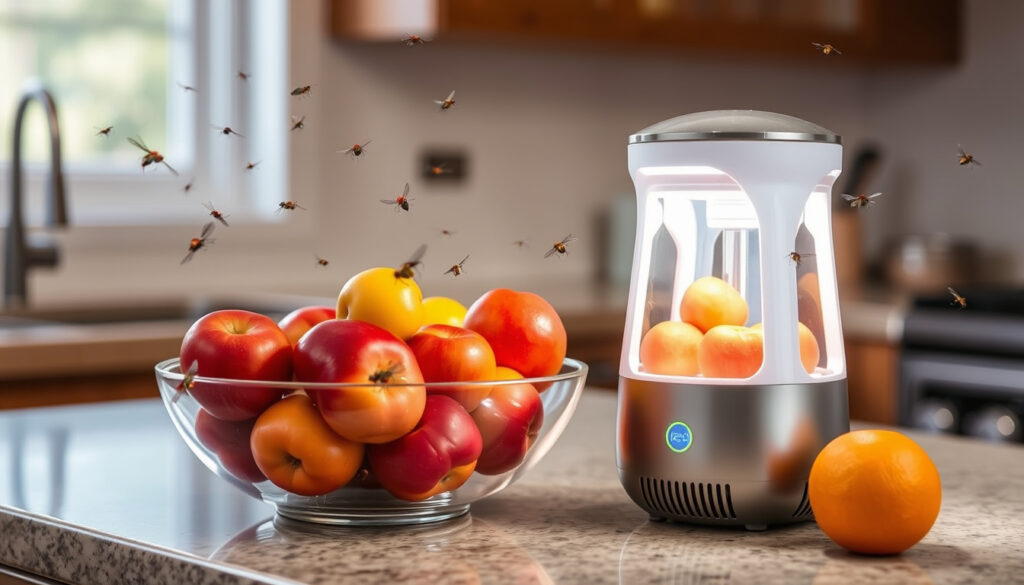
Zevo Flying Insect Trap – Does It Catch Fruit Flies and Gnats
The Zevo Flying Insect Trap offers a plug-in solution for households dealing with persistent flying pests. Unlike traditional bug zappers that rely on electric shocks or chemical sprays that release fumes, this device uses a combination of blue and ultraviolet light to attract insects onto a sticky cartridge. Reviewers across multiple platforms report meaningful reductions in fruit flies, gnats, and house flies within days of installation, making it a practical option for kitchens, garages, and bathrooms.
The device fits into standard electrical outlets and operates without noise, odors, or visible mess. Its design places the adhesive surface against the wall, keeping captured insects out of sight while remaining easy to dispose of when the cartridge fills. For households seeking a hands-off approach to flying insect control, the Zevo system presents a chemical-free alternative that handles common indoor pests without the drawbacks associated with sprays or zappers.
This guide examines how the trap functions, where it performs best, and what users can realistically expect in terms of results and ongoing costs.
Does the Zevo Flying Insect Trap Work?
User reports consistently indicate that the Zevo trap reduces flying insect populations in enclosed spaces. Testers from Reviewed noted that months of use resulted in cartridges visibly filling with trapped bugs, with one reviewer describing how “almost every bug” in their home eventually entered the trap. A separate test captured 13 flies within three hours when the device was positioned near garage trash cans, while kitchen fruit fly problems cleared up within days of installation.
What Insects Does the Trap Catch?
The device targets common household flying insects including fruit flies that gather around overripe produce, gnats that breed in moist environments like sink drains, and house flies that enter through doors and windows. Testing also confirms effectiveness against mosquitoes and minor flying bugs that wander indoors. The Zevo Max version increases trapping capacity through dual-sided adhesive pads, which prevents insects from escaping and handles heavier infestations more efficiently.
Are Refills Effective Over Time?
Cartridges remain effective until they reach capacity, typically lasting 15 to 30 days or longer in low-infestation situations. A blinking light indicator alerts users when it is time to inspect the cartridge. The sealed design makes disposal mess-free—users simply pull a tab to seal the cartridge before discarding it. Reviewers note that ongoing refill costs provide good value for year-round protection, with the sealed cartridges remaining usable until completely full.
- The trap captures insects individually rather than allowing swarms to scatter
- Reductions in fly activity become noticeable within hours to several days
- Long-term use keeps populations under control without repeated chemical applications
- Zevo Max doubles trapping surface area compared to the standard model
- The device outperforms sprays for continuous indoor protection
- Results depend heavily on correct placement in high-activity areas
- Lower effectiveness occurs in brightly lit spaces where ambient light competes with the UV attraction
| Feature | Details |
|---|---|
| Dimensions | Compact plug-in design; rotating plug fits any outlet orientation |
| Power | Standard electrical outlet; no batteries required |
| Insects Caught | Fruit flies, gnats, house flies, mosquitoes, minor flying bugs |
| Price Range | Starter kits from $30-$50; refill packs vary by bundle size |
| Chemical-Free | No pesticides, fumes, or odors during operation |
| Noise Level | Silent operation; no electric zapping sounds |
How Does the Zevo Flying Insect Trap Work?
The trap relies on two mechanisms working together: a blue and ultraviolet light source that attracts flying insects, and an adhesive cartridge that captures them upon contact. Insects drawn to the light fly toward the source and become stuck on the cartridge surface, which faces the wall rather than remaining exposed in open air.
Step-by-Step Setup Instructions
Initial setup requires inserting a sticky cartridge into the plug-in base after peeling away the protective paper backing. The unit then plugs directly into any standard wall outlet, with a rotating plug design that accommodates different orientations. The blue and UV light activates immediately, creating a visible glow that serves as the attraction mechanism. Reviewers recommend avoiding placement in bedrooms or sleeping areas due to the brightness emitted by the light source.
The rotating plug allows the unit to fit outlets where standard plugs would block adjacent sockets. Position the trap so the light faces toward the wall rather than outward into the room for optimal attraction.
Maintenance and Cartridge Replacement
Checking the cartridge every two weeks provides a reasonable maintenance routine, though high-infestation areas may require more frequent inspections. When the adhesive surface fills with insects, disposal involves pulling a built-in tab that seals the cartridge shut before removal. This sealed disposal method prevents contact with trapped insects and contains any odors that might develop from decomposing bugs.
Performance Compared to Bug Zappers
Traditional bug zappers use electric current to kill insects on contact, which creates visible debris, noise, and sometimes unpleasant burnt odors. They also tend to scatter insect bodies across surrounding surfaces and may be less effective indoors where flying pests are already present in smaller, more contained numbers. The Zevo trap avoids these issues by operating silently and keeping captured insects hidden from view. According to comparative reviews, users prefer the discreet appearance and mess-free operation of the Zevo system over conventional zappers.
Where Is the Best Place to Put a Zevo Flying Insect Trap?
Effective placement centers on high-infestation areas where flying insects naturally congregate or enter the home. The trap works best in low-light or dark conditions, as ambient brightness reduces the UV light’s drawing power. Positioning the device in shadowy corners or enclosed spaces strengthens its attraction capability.
Recommended Locations by Room
Kitchens benefit from placement near trash cans, sink drains, garbage disposals, and food preparation surfaces where fruit flies and gnats commonly gather. Garages work well with positioning near trash can areas or entry doors where flies enter from outside. Bathrooms with moisture issues that attract gnats also respond to trap placement, particularly near floor drains or under sinks. The Zevo Max version handles larger open living areas more effectively due to its increased trapping surface, making it suitable for open-concept spaces where standard traps might reach capacity too quickly.
Placement Tips for Maximum Effectiveness
Dark, low-traffic areas away from competing light sources yield the best results. Sliding glass doors, entryways, and windowsills serve as natural corridors for flying insects and represent strategic positioning locations. Running multiple units in larger homes or spaces with severe infestations provides coverage that a single trap cannot achieve alone. One reviewer reported permanently resolving a major fly problem by installing the trap at their primary entry point and leaving it running continuously.
For ongoing prevention rather than active infestation control, placing a trap near your most common entry points—rather than deep inside rooms—creates a barrier that intercepts insects before they spread throughout the home.
Is the Zevo Flying Insect Trap Safe for Pets?
The trap’s design prioritizes household safety by avoiding chemicals, electric shocks, sprays, and fumes. Since the adhesive cartridge faces the wall rather than hanging exposed, pets and children cannot directly access trapped insects or the sticky surface. Multiple reviewers who share their homes with cats report no safety concerns or unusual behavior from their animals around the devices.
Safety Features Worth Noting
The absence of pesticides makes the Zevo trap suitable for households that prefer to minimize chemical exposure, particularly those with young children or pets who spend time near floors and lower surfaces. No odors are released during operation, eliminating respiratory concerns that sometimes accompany aerosol sprays or plug-in pesticides that heat and diffuse chemicals into the air. While the manufacturer does not cite specific safety testing data, the physical design inherently prevents direct contact with any active trapping mechanisms.
The blue and UV light emits a noticeable glow that may disturb light sleepers if installed in bedrooms. For households with light-sensitive individuals or pets, positioning the trap in other rooms maintains effectiveness while avoiding nighttime disruption.
Product Evolution and Availability
The Zevo Flying Insect Trap system launched with its original single-sided cartridge design in 2020, establishing the plug-in UV light format that distinguishes it from traditional pest control methods. Refill cartridge improvements arrived in 2023, with enhanced adhesive formulations designed to improve capture rates and extend cartridge life. The Zevo Max variant entered the market as an expansion product, featuring dual-sided adhesive pads that double the trapping capacity for users dealing with heavier infestations or larger coverage areas.
- 2020: Original Zevo Flying Insect Trap launches with single cartridge design and blue/UV light attraction system
- 2023: Refill cartridge updates improve adhesive performance and extend usable lifespan
- 2024: Zevo Max introduced with dual-sided adhesive pads for increased trapping capacity
What We Know Versus What Remains Unclear
The trap demonstrates proven effectiveness against small flying insects such as fruit flies, gnats, and house flies, with consistent user reports across multiple review platforms confirming noticeable population reductions. Its chemical-free, silent operation represents a genuine advantage over sprays and electric zappers, particularly for indoor use where mess and odor matter.
| Established Information | Information That Remains Unclear |
|---|---|
| Effective on fruit flies, gnats, house flies, and mosquitoes | Specific effectiveness data against other insect species not commonly tested |
| No chemicals, fumes, or odors during operation | Long-term durability testing for continuous multi-year use |
| Cartridge replacement every 15-45 days depending on infestation level | Formal third-party safety certification beyond manufacturer claims |
| Silent and mess-free compared to bug zappers | Precise effectiveness comparisons to professional pest control services |
| Works best in low-light conditions | Optimal number of traps per square foot for maximum coverage |
Understanding the Zevo System in Context
The Zevo Flying Insect Trap occupies a specific niche in the home pest control market: indoor use against common small flying insects without chemical intervention. Its plug-in design suits permanent or semi-permanent installation in kitchens, bathrooms, and garages where infestations tend to originate or persist. For severe fly problems that span entire homes or involve insects beyond the trap’s demonstrated range, professional pest control services may provide more comprehensive solutions.
DIY alternatives such as apple cider vinegar traps or simple UV bulbs with sticky paper exist and work for basic fruit fly situations. However, these options typically require more frequent maintenance, remain visible in living spaces, and lack the discreet wall-mount convenience that the Zevo system provides. The sealed cartridge disposal and absence of visible dead insects represent practical advantages that many reviewers highlight when comparing the Zevo to homemade alternatives.
What Reviewers and Sources Report
Hands-on testing from Reviewed confirms the trap’s effectiveness over months of continuous use, with cartridges visibly filling as evidence of consistent capture rates. The Bitter Lemon’s detailed review describes resolving a major fly issue permanently after proper installation, while Apartment Therapy tested the Max version’s expanded capacity for larger spaces. Walmart customer reviews provide additional real-world validation, with one reviewer documenting 13 flies captured within three hours near garage trash cans.
“The trap captures bugs individually without swarms scattering across the room. Months of use show cartridges filling up as concrete evidence that the device works continuously rather than just temporarily.”
“After installing the Zevo near our main entry door, our major fly problem essentially disappeared. The trap provides ongoing control that sprays simply cannot match for convenience.”
Next Steps for Interested Buyers
For households ready to try the system, starter kits provide the plug-in base along with one or more cartridges at an introductory price point. Refill packs offer ongoing protection and typically cost less per cartridge than purchasing individually. First-time users should begin with placement in the kitchen near trash or produce storage areas, then monitor cartridge fullness every two weeks to establish a replacement rhythm that matches their specific infestation levels.
Those dealing with persistent fruit fly problems may benefit from pairing the trap with basic sanitation improvements—sealing overripe produce, emptying trash regularly, and cleaning drain surfaces—to address attractants alongside the trapping solution. The system works continuously once installed, making it a set-and-forget option that reduces flying insect populations over time without requiring repeated intervention.
Frequently Asked Questions
How long does a Zevo trap cartridge last?
Most users report cartridges lasting between 15 and 30 days, with lower infestations extending that timeframe to 45 days or longer. A blinking light indicator prompts inspection when replacement approaches.
Can I use the Zevo trap in a bedroom?
Technically yes, but the blue light glow may disturb light sleepers. Bedrooms with severe infestations might warrant temporary placement, but general use works better in other rooms.
Does the Zevo trap work on mosquitoes?
Yes, testing confirms effectiveness against mosquitoes, particularly the Zevo Max version with its dual-sided adhesive pads that handle larger insects more reliably.
Are Zevo refills worth the ongoing cost?
Reviewers consider refills cost-effective for year-round protection, with sealed cartridges remaining usable until completely full and no expiration concerns for unused packs.
How many traps do I need for a large kitchen?
A single trap covers approximately 400 square feet. Large open kitchens or multi-room infestations may require additional units positioned in separate high-activity zones.
Is the Zevo trap safe around cats and dogs?
The chemical-free, enclosed design keeps adhesive out of reach, and multiple reviewers with cats report no safety issues. No formal testing data exists, but the design inherently prevents pet contact with active components.
How does the Zevo Max differ from the standard version?
The Max version features dual-sided adhesive pads that double trapping capacity, making it better suited for larger spaces or heavier infestations involving mosquitoes and gnats.
More related posts
 Youtube TV Disney Dispute – Blackout Timeline Resolution
 Best Free VPN Alternatives (2026): Top Truly Free VPNs Compared
 Best Feed Store Near Me in Ireland: Top Agri Merchants
 How to Get Oil Out of Clothes: Baking Soda, Dish Soap & More
 Kendrick Lamar Super Bowl Halftime Show: Controversy & Meaning
 Cast of Honey Don’t! (2025) – Full Cast, Plot & Reviews
 Grilled Chicken Near Me: Delivery & Best Spots in Ireland
 The Count of Monte Cristo – Plot Summary and Character Guide