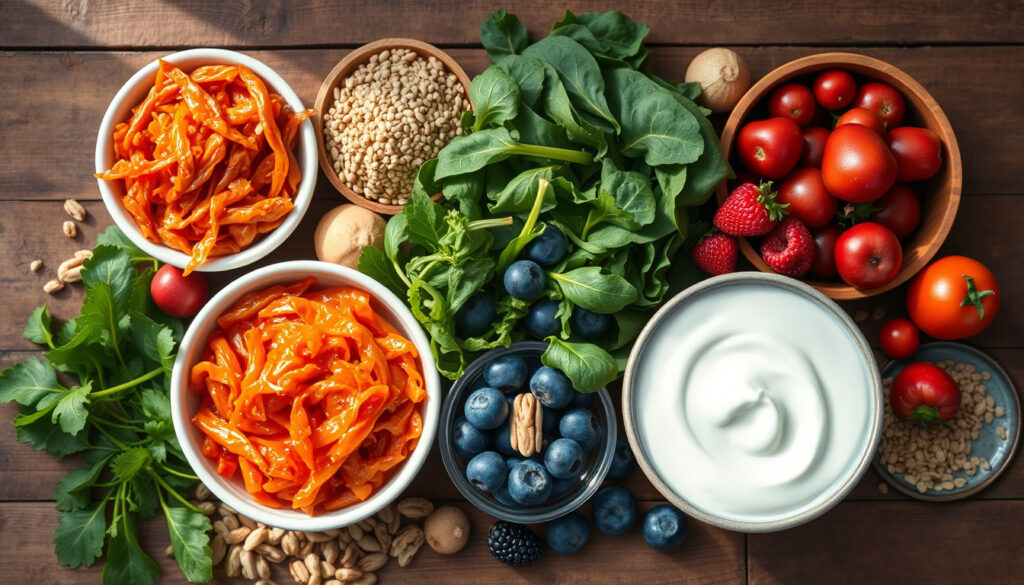
How to Improve Gut Health: 5 Evidence-Backed Steps
If you’ve ever felt bloated after a heavy meal or noticed your mood dip when you’re constipated, your gut is trying to tell you something. The trillions of bacteria living inside your digestive system do more than just break down food—they shape your immunity, your energy levels, and even how you feel day to day. This guide lays out five evidence-backed steps to improve gut health, backed by the NHS and Harvard Health, so you can start feeling better without guesswork.
Fiber intake boost: Simplest way to start · Fluids for digestion: Prevent constipation · Limit ultra-processed foods: Supports microbiome · Polyphenol-rich foods: Aid gut health · 5 simple ways from Harvard: Improve gut health
Quick snapshot
- Fiber prevents constipation and feeds good bacteria (Harvard Health)
- UK recommends 30g fiber daily; US targets 21–38g (NHS)
- Drink 4–6 cups water daily to aid digestion (Harvard Health)
- Whether specific “super six” gut foods exist across all guidelines
- How quickly gut microbiome changes after dietary shifts
- Long-term efficacy of probiotic supplements without food sources
- Exercise shows measurable gut changes after 6 weeks (Harvard Health)
- Harvard published fermented food guidance in May 2018 (Harvard Health)
- Ongoing research links gut microbiome to obesity and brain health (Harvard Health)
- Add one high-fiber food to every meal starting today
- Track water intake for one week to hit 4–6 cups
- Try one probiotic food (yogurt, kefir, or kimchi) daily
These recommendations from NHS and Harvard Health outline the most consistently backed approaches to supporting your digestive system through daily choices.
| What matters | Guidance | Source |
|---|---|---|
| Key to gut health | Boosting fiber intake | Harvard Health |
| NHS advice | Fill up on fibre, drink fluids | NHS |
| Harvard tips | 5 simple ways including hydration | Harvard Health |
| Diverse foods | Supports microbiome diversity | Harvard Health |
What are the signs of an unhealthy gut?
Common symptoms to watch for
Research from Florida Atlantic University identified 12 signs of bad gut health, ranging from persistent bloating and irregular bowel movements to fatigue, skin irritations, and food sensitivities. Another framework lists 7 signs commonly flagged in health communities, including gas, constipation, and sugar cravings that may indicate microbial imbalance. Scientists from Harvard note that the gut microbiome contains 100 trillion bacteria and microorganisms, so even subtle shifts in this ecosystem can affect digestion, mood, and immunity through daily choices in food, movement, sleep, stress, and hydration.
Confirmed
- Fiber reduces constipation and Crohn’s disease risk — Harvard Health
- Hydration maintains gut microbiota abundance — Harvard Health
- Sedentary people have measurably different gut microbiota than active people — Harvard Health
Rumors / Unclear
- Whether “super six” gut foods exist as a universal set — no single authority lists them
- How quickly gut bacteria adapt to dietary changes — estimates vary from days to months
When to seek medical advice
If symptoms persist beyond two weeks or include unexplained weight loss, blood in stool, or severe pain, the NHS recommends seeing a GP. Occasional bloating after beans or high-fiber foods is normal; persistent discomfort after trigger foods like gluten or dairy may indicate intolerance that warrants professional testing.
Bloating from high-fiber foods is common — the NHS warns that over-reliance on cereal grains can cause gas. Rotate fiber sources: lean on fruit and vegetables alongside whole grains to feed your microbiome without overwhelming your digestion.
What are the worst foods for gut health?
Top offenders to avoid
- Fatty processed foods: Chips, burgers, and fried foods slow digestion and can trigger heartburn and stomach pain. The NHS advises cutting these down and opting for lean meat, fish, or grilling methods instead.
- Spicy triggers: Chillies, garlic, and onions cause heartburn, pain, or diarrhoea in sensitive individuals. Reduce intake if these foods trigger symptoms.
- Acidic and trigger foods: Tomatoes, citrus fruits, wheat, and onions may aggravate heartburn or IBS. Lactose intolerance causes wind and diarrhoea from dairy in affected people.
- Ultra-processed snacks: Low fiber and high additives reduce microbial diversity over time compared to whole-food diets.
Why balance matters
The goal is not to eliminate these foods entirely but to reduce their dominance in your diet. Harvard researchers note that plant-based diets like the Mediterranean and DASH approaches increase prebiotics and reduce harmful bacteria-supporting foods. Small swaps—grilled chicken instead of fried, fruit instead of crisps—compound into meaningful gut health improvements over weeks.
Probiotic supplements are not FDA regulated, according to Harvard Health. If you’re considering capsules over food sources, be aware that the evidence for supplements beyond IBS relief remains limited.
What to eat to improve gut health?
Super six gut foods
While no official “super six” list exists across all health bodies, the foods most consistently recommended include yogurt with live cultures, kefir, kimchi, sauerkraut, tempeh, and aged cheeses like Swiss or Gouda. The Live and Active Cultures (LAC) seal on yogurt certifies at least 100 million live organisms per gram — a useful marker when shopping. Teresa Fung, Adjunct Professor at Harvard T.H. Chan School of Public Health, says combining both probiotics and prebiotics in your diet delivers the most benefit.
“While consuming foods that contain either one can support your gut health, you benefit most by including both in your diet,” says Fung. Probiotic foods add healthy bacteria; prebiotic foods (asparagus, bananas, oats, garlic) feed them once they arrive.
High fiber options
- Legumes: Lentils, chickpeas, and beans support both fiber and prebiotics
- Whole grains: Oats, barley, and wholemeal bread align with the NHS 30g daily target
- Vegetables: Brussels sprouts, artichokes, sweet potatoes, and leafy greens
- Fruits: Berries, apples, and bananas (especially slightly green bananas for resistant starch)
Polyphenol-rich choices
Polyphenols in berries, dark chocolate, green tea, and red onion support gut bacteria growth. Research links these compounds to reduced inflammation and improved microbial diversity. Adding a handful of blueberries to breakfast or swapping white rice for quinoa introduces polyphenol diversity without major dietary overhaul.
“Naturally fermented foods can give your body a dose of healthy probiotics, which are live microorganisms crucial to healthy digestion,” says David S. Ludwig, Professor of Nutrition at Harvard School of Public Health. His team recommends eating probiotics regularly — daily, if possible — through meals like a yogurt smoothie or sauerkraut on a sandwich.
How do I fix my gut health quickly?
Quick support strategies
“Quick” in gut health means days to weeks, not hours. Harvard’s five evidence-based steps for fast improvement are:
- Eat more fiber: Add legumes, whole grains, or berries to every meal. UK guidance targets 30g daily from wholemeal bread, brown rice, fruit, vegetables, beans, and oats.
- Stay hydrated: Drink 4–6 cups of water daily; drink water with every meal to soften stool and aid fiber function. Avoid caffeine-heavy drinks if they trigger heartburn.
- Add probiotics: Eat yogurt with the LAC seal, kefir, kimchi, or sauerkraut daily. Fermented foods provide live cultures if not heated after fermentation.
- Move more: 150–270 minutes of moderate-to-high intensity exercise weekly for at least 6 weeks measurably improves gut microbiota, especially combined aerobic and resistance training.
- Limit triggers: Cut back on fatty foods, excessive spice, and personal trigger foods like acidic items or wheat if you suspect sensitivity.
Lifestyle changes
- Eat slowly: Chewing thoroughly signals digestive enzymes and reduces gas
- Manage stress: Chronic stress directly affects gut motility and microbiome balance
- Sleep consistently: Disrupted sleep patterns alter microbial diversity within 48 hours in some studies
- Reduce antibiotic overuse: Antibiotics clear beneficial bacteria alongside harmful ones — only take when prescribed
Exercise works — but only if sustained. Six weeks of consistent activity is the minimum Harvard researchers found for measurable gut changes. One-off workouts won’t reset anything.
What is a 7 day gut reset?
Steps for a 7-day plan
A structured 7-day reset focuses on eliminating irritants while flooding your system with supportive foods. Health resources like Vinmec outline natural cleanse approaches that pair dietary changes with hydration and movement:
- Days 1–2: Cut ultra-processed foods, reduce fatty and spicy items, increase water to 6 cups daily
- Days 3–4: Add high-fiber foods at every meal (oatmeal breakfast, bean lunch, vegetable dinner)
- Days 5–6: Introduce one probiotic food daily (yogurt, kefir, or fermented vegetables)
- Day 7: Maintain the new baseline and assess how bloating, energy, and digestion feel compared to day one
Natural cleanse methods
- Warm lemon water: First thing in the morning to stimulate digestion
- Herbal teas: Ginger and peppermint support gut motility and reduce nausea
- Fermented vegetable recipe: Quick-pickle carrots, cauliflower, or celery in salted water for 3–5 days per Harvard’s fermented foods guide
- Prebiotic focus: Garlic, onions, asparagus, and bananas feed existing beneficial bacteria
A 7-day reset is a starting point, not a cure. The gut microbiome takes weeks to shift measurably. Use this week to build habits — increased fiber, daily probiotics, better hydration — that stick beyond the reset window.
How to improve gut health: 5 evidence-based steps
Putting the guidance together, here are five concrete steps backed by NHS and Harvard Health to start improving your gut health today:
Upsides
- Improved digestion and regular bowel movements
- Better mood and energy via gut-brain axis
- Stronger immune function through diverse microbiome
- Reduced bloating and inflammation with sustained fiber intake
Downsides
- Initial bloating when increasing fiber too quickly
- Social adjustments needed to prioritize home cooking
- Fermented foods may taste unfamiliar at first
- Exercise commitment requires 150–270 minutes weekly minimum
Step-by-step guide
- Audit your current diet: Note how many ultra-processed foods, fatty meals, and trigger items appear daily. Aim to replace one with a whole-food alternative.
- Calculate your fiber: Target 30g daily (UK NHS) or 21–38g (Harvard range). Use a simple food diary app for one week to gauge current intake.
- Hydrate deliberately: Keep a water bottle visible. Set a reminder to drink water with every meal and at least twice between meals.
- Add one probiotic food: Choose yogurt with the LAC seal, a small portion of kefir, or two tablespoons of sauerkraut. Eat it daily for two weeks.
- Move with purpose: Schedule 150–270 minutes weekly across walking, cycling, or resistance training. Consistency over intensity matters here.
“Probiotics add to your gut microbiota. Having a healthy microbiota may help foster a healthy immune system and reduce damaging inflammation,” says Teresa Fung. Her advice: make probiotic consumption a regular habit, not an occasional one.
Related reading: sugar alcohols · potassium in a banana
health.harvard.edu, health.harvard.edu, health.harvard.edu, health.harvard.edu
Frequently asked questions
How to improve gut health naturally?
Eat more fiber (30g daily from whole grains, legumes, fruits, and vegetables), drink 4–6 cups of water daily, add one probiotic food (yogurt, kefir, or fermented vegetables), and exercise 150–270 minutes weekly. These four habits work together to support microbiome diversity and regular digestion.
How to improve gut health and bloating?
Increase fiber gradually to avoid gas buildup, drink water with meals to help fiber function, avoid trigger foods like fatty meals and spicy ingredients if they cause discomfort, and consider peppermint or ginger tea to ease gut motility. If bloating persists, a GP can check for IBS or intolerance.
What supplements improve gut health?
Probiotic supplements may help IBS, but evidence for other claims is limited, according to the NHS. Supplements are not FDA regulated. Food sources like yogurt, kefir, and kimchi are more reliable and provide additional nutrients alongside live cultures.
How do I clean my gut naturally?
Focus on fiber-rich whole foods, hydration, and fermented foods rather than restrictive cleanses. Increasing legumes, vegetables, and water intake over 7–10 days supports natural detoxification through regular bowel movements and microbiome feeding.
What are the super six gut foods?
No official “super six” list exists across major health bodies. The most consistently recommended gut-friendly foods include yogurt with live cultures, kefir, kimchi, sauerkraut, tempeh, and aged cheeses. Combine these with high-fiber prebiotic foods for optimal results.
How do I flush out my gut fast?
Drink 4–6 cups of water daily, increase fiber from fruits and vegetables (not just cereals to avoid excess gas), and add physical movement to stimulate gut motility. Avoid relying on stimulant laxatives, which can disrupt natural bowel rhythms if used frequently.
More related posts
 High Chloride in Blood: Causes, Symptoms, and Treatment
 Molly Ringwald Movies & TV Shows: Complete List
 How to Read Tire Size: What the Numbers Mean (Complete Guide)
 Amazon Vine Sign In: How to Access Your Account (2026 Guide)
 Phillies vs Dodgers Match Player Stats & Predictions
 Dont Tread on Me Meaning – Gadsden Flag Origin and History
 2026 Mazda CX-90: Price, Specs, and Real-World Review
 How to Remove Eye Bags Permanently: Real Fixes