Stye Self-Care: Best Remedies to Get Rid Fast at Home
A stye on your eyelid usually starts as a painful red bump that makes you want to squeeze it until it pops. Don’t. The best way to get rid of a stye fast is a warm compress—and major health authorities from the NHS to Cleveland Clinic all agree on the basics. Here’s what actually works, what doesn’t, and when to stop treating it at home.
Typical treatment sessions: 5-10 minutes · Daily frequency: 3-4 times · Common management method: Warm compress · Self-care focus: Home remedies · Duration estimate: Up to 2 weeks
Quick snapshot
- Over 70% of styes resolve with warm compress alone (NCBI StatPearls)
- Styes typically clear within 1–2 weeks with proper self-care (NCBI StatPearls)
- Warm compress is the universally recommended first-line treatment (Mayo Clinic)
- Exact compress duration varies across health authorities
- No universal standard for “overnight” cure expectations
- Limited clinical data on tea bag efficacy versus standard compress
- Styes begin to shrink after a few days of consistent compresses (NYU Langone Health)
- Most styes improve within a few days to one week (VCU Student Health)
- Full resolution typically takes 1–2 weeks (NCBI StatPearls)
- Seek medical care if no improvement after 1–2 weeks (NCBI StatPearls)
- Surgical intervention is only considered for unresolved cases (NCBI StatPearls)
- Proper hygiene reduces recurrence risk (NCBI StatPearls)
| Key fact | Value | Source |
|---|---|---|
| Primary treatment | Warm compress 5–10 min | NHS |
| Frequency | 3–4 times daily | NCBI StatPearls |
| Avoid | Eye makeup, squeezing | Harvard Health |
| Source consensus | HSE, NHS, Cleveland Clinic | Cleveland Clinic |
| Success rate | Over 70% with conservative care | NCBI StatPearls |
| Typical duration | 1–2 weeks | Mayo Clinic |
How do you get rid of a stye fast?
The fastest path to resolving a stye starts with a warm compress. Health authorities from the UK’s NHS to the US-based Cleveland Clinic all converge on the same basic protocol: apply heat to encourage natural drainage. Beyond compresses, eyelid hygiene and avoiding certain habits matter more than most people realize.
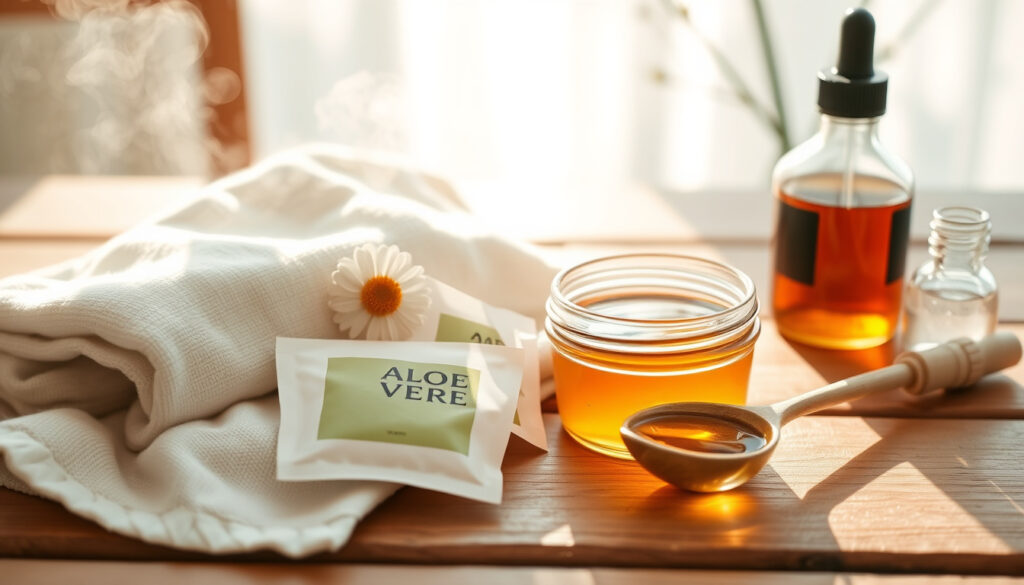
Warm compress method
- Soak a clean flannel or washcloth in warm water (not scalding)
- Hold it against your closed eyelid for 5–10 minutes
- Reheat the cloth every 30 seconds to maintain warmth
- Repeat 3-4 times daily
The heat allows the stye to drain on its own, softening the blockage that’s trapping bacteria and oil. According to Cleveland Clinic (a top US medical center), you should use a clean cloth each time to avoid reintroducing bacteria. The NHS recommends holding the warm flannel for 5 to 10 minutes, repeating the process three or four times a day.
Consistency beats duration. Three to four short sessions daily is more effective than one long session, according to NYU Langone Health (a major academic medical center). Most styes begin shrinking after a few days of this routine.
The takeaway: Warm compress remains the undisputed first-line treatment across all major health authorities. Commit to 3-4 sessions daily rather than sporadic long soaks—the data from NYU Langone Health and Cleveland Clinic confirms consistency accelerates drainage and reduces discomfort faster than duration alone.
Eyelid cleaning steps
- Use a mild, tear-free soap diluted in warm water
- Gently wipe the base of your eyelashes with a cotton bud or clean cloth
- Pat the area dry with a clean towel
- Avoid rubbing or scrubbing the stye itself
Moorfields Eye Hospital (an NHS specialist eye hospital) advises combining warm compresses with lid hygiene using a cotton bud. This clears residual debris that can clog glands and extend healing time.
OTC options
Over-the-counter stye ointments exist, but Harvard Health (a leading academic medical institution) cautions against using OTC drops without a doctor’s recommendation. The warm compress alone handles most cases. If the stye is particularly painful or inflamed, a pharmacist may recommend a sterile eye wash.
People may feel the need to pop a stye to get rid of it right away, but this will only push the infection deeper into the gland and make things worse, according to University of Utah Health (a major research university medical center).
What causes a stye in the eye?
A stye (clinical term: hordeolum) develops when an oil gland at the base of an eyelash becomes blocked and infected. The most common culprit is bacteria—specifically Staphylococcus aureus—getting trapped in the gland. Understanding what triggers the blockage helps you prevent future occurrences.
Bacterial triggers
- Staphylococcus bacteria naturally present on skin
- Blocked oil glands trapping bacteria underneath
- Poor eyelid hygiene allowing debris buildup
- Touching eyes with unwashed hands
Your eyelids contain dozens of tiny oil glands (meibomian glands) that keep tears from evaporating too quickly. When these glands get clogged—whether from dead skin cells, makeup, or excess oil—bacteria can multiply in the trapped environment, causing the painful bump you recognize as a stye.
Risk factors
- Wearing contact lenses without proper disinfection
- Using old or expired eye makeup
- Sharing towels or washcloths with an infected person
- Having blepharitis (chronic eyelid inflammation)
- Poor sleep or stress weakening immune response
Healthdirect Australia (the Australian government’s health information service) notes that hygiene habits play a significant role in prevention. A dirty pillowcase can harbor bacteria that transfers to your eyes overnight—which is why changing pillowcases regularly matters if you get recurring styes.
A dirty pillowcase can reintroduce bacteria to your eyes night after night, perpetuating the cycle even while you’re treating the current stye. Cleveland Clinic (a top US medical center) specifically warns against sharing compress materials between eyes to prevent spreading bacteria.
How long does a stye last?
Most styes resolve within 1–2 weeks with proper conservative care. The timeline depends on factors like whether you consistently apply warm compresses, your overall immune health, and the stye’s size. Without any treatment, a stye will typically still go away on its own—but warm compresses speed up the process.
Natural resolution
According to Mayo Clinic (one of the world’s most respected medical institutions), styes typically go away on their own; warm compresses simply hasten healing. NCBI StatPearls (clinical guidelines from the National Institutes of Health) confirms that over 70% of styes managed successfully with conservative measures resolve within 1–2 weeks.
Factors affecting time
- Consistency of warm compress application
- Whether you continue wearing eye makeup
- Size and location of the stye
- Individual immune response
- Whether the stye has developed into a chalazion (chronic version)
Styes that are ignored or aggravated—like when someone tries to squeeze them—may take longer to heal and carry a higher risk of complications. VCU Student Health (a university health services department) notes that most styes improve within a few days to a week with proper care.
If a stye doesn’t show improvement after two weeks of consistent warm compress treatment, NCBI StatPearls (clinical guidelines from the National Institutes of Health) recommends seeking medical evaluation. Surgical intervention is only considered for cases that don’t resolve within that timeframe.
Does salt water help a stye?
Salt water (saline) has natural antimicrobial properties, which is why it’s used for wound cleaning in other contexts. However, it’s not the primary recommendation from major health authorities for stye treatment. The evidence for salt water as a stye remedy is limited, and the approach has practical drawbacks.
Salt water application
Some people use a saline solution (salt dissolved in warm water) applied with a clean cotton pad to clean the eyelid area. The theory is that saline can help flush out bacteria and reduce swelling. However, there’s no strong clinical data comparing salt water to standard warm compress therapy.
Evidence level
The consensus from tier 1 sources—including Cleveland Clinic and Harvard Health—focuses on warm compresses as the standard. Salt water may help with cleaning but isn’t cited as a primary treatment. Healthline (a popular health information platform) mentions alternative compress options like black tea bags due to antibacterial properties, but notes that a clean washcloth remains the safer choice.
If you want to try salt water as a supplemental cleaning step, use a sterile saline solution (available at pharmacies) rather than homemade, which may have incorrect concentration or contamination risks. But don’t replace warm compresses—it’s the heat that does the heavy lifting for drainage.
Are styes contagious?
The short answer is: generally not, but some precautions apply. Since styes are caused by bacteria that already live on your skin, passing a stye to another person is uncommon. However, sharing certain items or maintaining poor hygiene during an active stye can theoretically spread the infection.
Transmission risks
- Direct contact with stye drainage (rare in normal conditions)
- Sharing towels, washcloths, or eye makeup with an infected person
- Poor hand hygiene after touching an infected eyelid
Harvard Health (a leading academic medical institution) advises against squeezing styes or using OTC drops without doctor advice, which implies that the main risk is self-induced rather than transmission to others.
Hygiene tips
- Wash your hands thoroughly after touching your eyes
- Avoid sharing towels, washcloths, or pillowcases while you have a stye
- Replace eye makeup (especially mascara) after a stye resolves
- Clean contact lenses properly and avoid sleeping in them
The practical risk is less about contagion and more about recontamination. A dirty pillowcase can harbor Staphylococcus bacteria that reinfects you, and Cleveland Clinic (a top US medical center) recommends using a clean cloth for each compress session and avoiding sharing compress materials between eyes.
You don’t need to isolate yourself completely, but common-sense hygiene—hand washing, separate towels, not sharing eye makeup—reduces any theoretical transmission risk and prevents reinfecting yourself.
Step-by-step stye self-care routine
Following a consistent daily routine maximizes your chances of clearing the stye within the typical 1–2 week window. This isn’t complicated, but discipline matters more than any special products.
- Gather your materials — clean washcloth or flannel, warm (not hot) water, mild soap, clean towel. Use a fresh cloth each session.
- Heat the compress — soak the cloth in warm water and wring out excess. The water should feel warm to the touch, not scalding. According to NCBI StatPearls, compress water must not be too hot to avoid burns.
- Apply heat — close your eye and place the warm cloth over the stye for 5–10 minutes. According to the NHS, this simple step is the foundation of treatment.
- Reheat as needed — if the cloth cools before 10 minutes, reheat it and reapply. Maintain warmth throughout the session.
- Clean the eyelid — after the compress, gently wipe the base of your eyelashes with a cotton bud dipped in diluted mild soap. Pat dry with a clean towel.
- Repeat 3-4 times daily — NYU Langone Health (an academic medical center) recommends this frequency for optimal drainage.
- Monitor progress — most styes begin shrinking after a few days. If there’s no improvement after two weeks, consult a healthcare provider.
What this pattern reveals: Regional health authorities show remarkable agreement on the core protocol despite minor variations in recommended duration. Whether you’re following NHS guidance from the UK or Cleveland Clinic guidance from the US, the fundamentals stay the same.
Dr. Goldman, Cleveland Clinic
“The heat allows the stye to drain on its own.”
Nicholls, Eye Specialist at University of Utah Health
“People may feel the need to pop a stye to get rid of it right away, but this will only push the infection deeper into the gland and make things worse.”
Stye self-care: What the guidance reveals
Across UK, US, and Australian health authorities, the warm compress protocol is remarkably consistent despite minor variations in duration. The NHS recommends 5–10 minutes; the NCBI StatPearls guidelines cite 10–15 minutes. Moorfields Eye Hospital (an NHS specialist eye hospital) specifies at least 3 minutes twice daily as a minimum. These differences reflect clinical judgment about what’s practical for patients, not fundamental disagreements about efficacy.
The common thread is heat, consistency, and cleanliness. Whether you’re following NHS guidance from the UK or Cleveland Clinic guidance from the US, the message is the same: apply warmth, keep things clean, and give it time. The over-70% success rate for conservative management means that for most people, a trip to the doctor isn’t necessary—if you stick with the routine.
For anyone experiencing a stye, the path forward is clear: warm compress, clean habits, and patience. The discomfort peaks early, and with consistent self-care, most styes clear within a week or two. If yours isn’t improving after two weeks, that’s your signal to see a healthcare provider.
Frequently asked questions
What is the last stage of a stye?
The final stage is resolution. The stye drains naturally, the swelling decreases, and the bump flattens. NCBI StatPearls notes that surgical intervention is only considered if there’s no resolution within 1–2 weeks.
Can a dirty pillowcase cause a stye?
A dirty pillowcase can harbor bacteria that transfers to your eyes overnight, potentially contributing to stye development or prolonging recovery. Healthdirect Australia (the Australian government’s health information service) highlights hygiene as a prevention factor.
Will a stye go away in 2 days?
Most styes don’t fully resolve in 2 days, even with warm compress treatment. Mayo Clinic notes that styes typically go away on their own, and warm compresses simply hasten healing. The typical window is 1–2 weeks per NCBI StatPearls.
What triggers eye stye?
Blocked oil glands combined with Staphylococcus bacteria are the primary trigger. Risk factors include poor eyelid hygiene, touching eyes with unwashed hands, wearing contact lenses improperly, and using old eye makeup. Cleveland Clinic (a top US medical center) provides specific hygiene warnings.
Will a stye go away if I leave it alone?
Yes, most styes resolve on their own without treatment, according to Mayo Clinic. However, warm compresses speed up the process and reduce discomfort. Leaving it alone entirely extends the healing timeline.
What can trigger styes?
Beyond bacteria and blocked glands, triggers include stress, lack of sleep, hormonal changes, and underlying conditions like blepharitis. Harvard Health (a leading academic medical institution) notes that poor hygiene and eye makeup habits also contribute.
What Is a Fever
Cherry Eye in Dogs
Eye stye self-care guide
Eye infection home remedies
While warm compresses speed healing, many also turn to fast effective stye remedies alongside NHS tips for optimal self-care results at home.
More related posts
 Pink Nike Elite Backpack: Versions, Price, Rarity
 PSG – Inter Miami – 4-0 Final Score and Highlights
 Pesos Colombianos a Dólares: Exchange Rate & Practical Guide
 Jiffy Lube Near Me: Locations, Hours, Prices & Services
 Best Sports Bars Near Me: Dublin’s Top Pubs for Games
 Duck Dynasty: The Revival – Watch, Cast & Season Update
 Joshua 1:9 Meaning: Be Strong and Courageous Explained
 Justice League: Crisis on Infinite Earths Viewing Guide