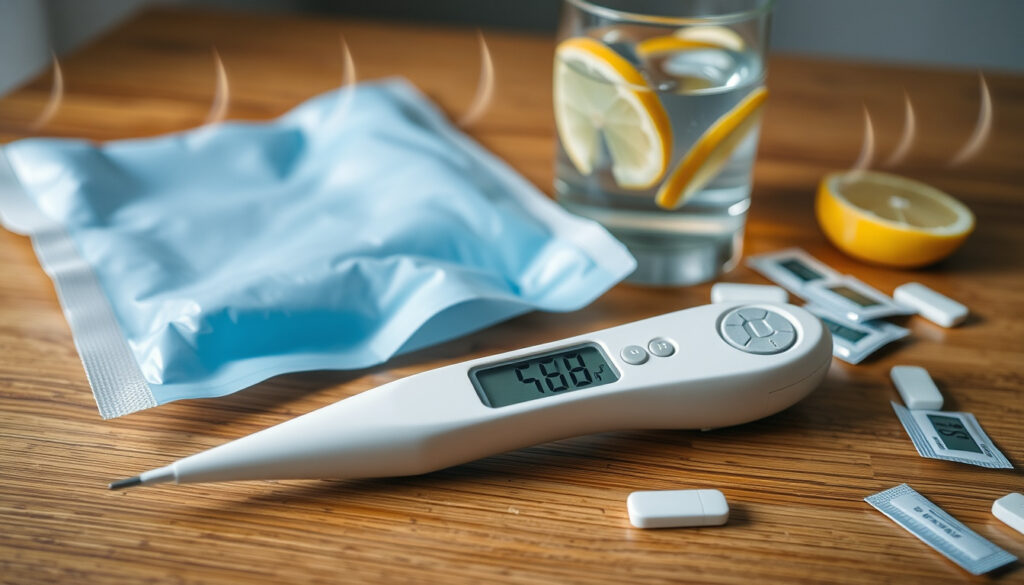
What Is a Fever – Thresholds, Causes, Symptoms and Care
A fever represents one of the body’s most fundamental defensive mechanisms—an elevated core temperature that signals the immune system is actively responding to potential threats. While often misunderstood as an illness itself, fever is technically a symptom that warrants careful interpretation based on age, measurement method, and accompanying symptoms.
Medical professionals define fever differently depending on the age of the patient and the body site used for measurement. Understanding these distinctions proves essential for determining whether intervention is necessary or whether the body’s natural response should be allowed to run its course. The threshold of 100.4°F (38°C) serves as a common benchmark across most age groups when measured orally or rectally, though variations exist for infants and young children.
This guide examines the medical definition of fever, normal temperature ranges, causes, treatment approaches, and the critical indicators that signal when professional medical evaluation becomes necessary. The goal is to provide evidence-based clarity on a topic surrounded by considerable misconception and unnecessary anxiety.
What Temperature Is Considered a Fever?
The medical definition of fever centers on an elevation above the normal daily temperature range, with 100.4°F (38°C) representing the most widely accepted threshold when measured orally or rectally. However, what constitutes fever varies considerably based on age group and measurement technique. Rectal temperatures yield the highest readings and are considered most reliable for infants and young children, while axillary measurements produce the lowest values and require adjustment when interpreting results.
- Fever is not an illness but a symptom indicating the immune system is actively responding
- Low-grade fevers (99–102°F) often assist the body in fighting infection and typically do not require treatment
- Temperature varies naturally throughout the day, typically lower in the morning and higher in late afternoon
- Adults over 60 years often have lower baseline temperatures than younger adults
- Infants under three months require immediate medical evaluation for any fever exceeding 100.4°F rectally
- The accuracy of temperature measurement depends heavily on the method used
| Age Group | Fever Threshold | Recommended Method |
|---|---|---|
| Newborns (0–3 months) | >100.4°F (38°C) rectally | Rectal (most reliable) |
| Infants (3–6 months) | >100.4°F (38°C) rectally | Rectal or forehead |
| Children (6 months–3 years) | >100.4°F (38°C) rectal/forehead/ear; >100°F oral | Rectal, forehead, or ear |
| Children (3+ years) | >100.4°F (38°C) oral; >102°F rectal | Oral preferred |
| Adults | >100.4°F (38°C) oral | Oral or forehead |
What Causes a Fever?
Fever develops when the body’s thermoregulation system shifts its set point upward, typically in response to infection but occasionally from non-infectious triggers. The hypothalamus, located in the brain, coordinates this temperature adjustment after receiving signals from immune cells responding to foreign invaders. This pyrogen-triggered response creates an internal environment less hospitable to certain pathogens while accelerating the body’s own defensive processes.
Common Infectious Causes
The overwhelming majority of fevers stem from viral or bacterial infections. Respiratory infections including influenza, common cold, and COVID-19 frequently produce fever as an early symptom. Other common infection sites include the ears, throat, urinary tract, and gastrointestinal system. In young children especially, fever may sometimes appear without obvious external symptoms—a phenomenon healthcare providers describe as fever without a source.
Non-Infectious Triggers
Several non-infectious conditions can also elevate body temperature. These include inflammatory disorders such as rheumatoid arthritis, heat exhaustion or heat stroke, certain medications, vaccinations, and in rare cases, tissue damage from surgery or trauma. Hormonal disorders affecting the thyroid gland may also produce persistent temperature abnormalities.
The cause of fever cannot be reliably determined from temperature alone. While certain patterns may suggest particular etiologies, laboratory testing and clinical evaluation are necessary to identify the underlying trigger. Persistent fever lasting beyond three days in adults warrants medical investigation regardless of how high the temperature climbs.
What Are the Symptoms of a Fever?
Beyond the numerical temperature reading, fever often produces noticeable physiological and behavioral changes. The body’s attempt to generate and retain heat manifests as sensations of coldness, shivering, and generalized achiness—commonly called chills. As temperature rises, flushing, sweating, and dehydration become more apparent.
In infants and young children, fever may present with fussiness, decreased activity, poor feeding, or unusual sleepiness. Young children might also display altered alertness or become difficult to comfort. These behavioral indicators often provide important clues about the severity of illness, sometimes more reliably than the temperature number itself.
Low-grade fevers between 100°F and 102°F typically produce minimal symptoms and may cause only mild discomfort. Moderate fevers between 102°F and 104°F generally coincide with more pronounced fatigue, muscle aches, and reduced appetite. High fevers exceeding 104°F demand closer monitoring and may produce confusion, extreme fatigue, or seizures in susceptible individuals.
How Do You Treat a Fever?
Treatment decisions should balance the potential benefits of the fever response against the patient’s comfort and specific health circumstances. For low-grade fevers, particularly those below 102°F, most medical guidance suggests allowing the fever to run its course while ensuring adequate hydration. The elevated temperature itself serves a beneficial function in combating infection.
When Treatment Is Warranted
Moderate fevers causing significant discomfort may benefit from antipyretic medications such as acetaminophen or ibuprofen, though dosing must carefully follow age-appropriate guidelines. These medications reduce fever by lowering the hypothalamic set point but do not address the underlying infection. Never administer aspirin to children or teenagers due to the risk of Reye’s syndrome.
Supportive Care Fundamentals
Regardless of whether medication is used, maintaining fluid intake represents the cornerstone of fever management. Fever increases fluid loss through both sweating and elevated respiratory rate. Children especially can become dehydrated rapidly. Light clothing, a comfortable room temperature, and rest support the body’s recovery efforts.
For mild fevers, adequate fluid intake often proves more beneficial than medication. Water, clear broths, and electrolyte solutions help replace losses. Signs of adequate hydration include normal urine output and moist mucous membranes. Dehydration risk increases substantially when fever exceeds 102°F or persists beyond 24 hours.
How Long Does a Fever Last?
Duration depends entirely on the underlying cause. Most viral fevers resolve within three to five days as the immune system controls the infection. Bacterial infections may produce fever until treated with appropriate antibiotics. Low-grade fevers accompanying mild viral illnesses often subside sooner than higher temperatures associated with more significant infections.
Fever persisting beyond three days in adults, or 24 hours in infants under three months, requires medical evaluation. Similarly, any fever returning after an apparent resolution should prompt contact with a healthcare provider, as this pattern may indicate a secondary infection or complications.
When Should You See a Doctor for a Fever?
Certain fever presentations demand immediate medical attention. The urgency depends primarily on the patient’s age, temperature reading, measurement method, and accompanying symptoms. Understanding these thresholds prevents both over-reaction to mild illness and dangerous delays in seeking care for serious conditions.
Age-Specific Emergency Thresholds
Infants under three months require immediate evaluation for any rectal temperature of 100.4°F (38°C) or higher, regardless of how well they appear. Their immature immune systems and limited ability to communicate symptoms make professional assessment essential. Between three and six months, fever exceeding 100.4°F combined with signs of fussiness, decreased activity, or altered responsiveness warrants same-day medical contact.
For children between three months and three years, rectal temperatures above 102°F justify medical evaluation, particularly if the child appears ill, refuses fluids, or shows behavioral changes. Children older than three years and adults should seek care when oral temperatures exceed 103°F, when high fever persists beyond two days, or when severe symptoms develop.
Is a Fever Dangerous?
Most fevers, even when reaching 104°F, cause no lasting harm and resolve without complications. The body maintains remarkable temperature regulation even during significant febrile episodes. However, temperatures exceeding 104°F (40°C) in young children carry increased risk of febrile seizures, which, while usually brief and harmless, warrant evaluation to rule out serious underlying causes.
Certain populations face elevated risk from fever or its underlying causes. Immunocompromised individuals, those with heart conditions, and patients with neurological vulnerabilities should maintain lower thresholds for seeking care. Similarly, fever combined with severe headache, stiff neck, confusion, rash, or persistent vomiting indicates potential serious illness requiring emergency evaluation.
Regardless of temperature reading, seek immediate care for fever accompanied by severe headache, neck stiffness, light sensitivity, purple or blood-colored rashes, persistent vomiting, difficulty breathing, chest pain, extreme confusion, or inability to be awakened. These combinations may indicate meningitis, sepsis, or other conditions requiring urgent intervention.
Understanding Your Temperature Reading
Accurate temperature measurement forms the foundation of appropriate fever management. Different methods produce different values, and understanding these variations prevents both unnecessary concern and dangerous underestimation of illness severity. The choice of measurement site should reflect the patient’s age and clinical situation.
Rectal measurement provides the most accurate core temperature reading and remains the standard for infants and young children through approximately age three. This method requires proper technique—lubricating the tip, inserting half to one inch, and maintaining position for approximately ten seconds. Thermometers used rectally should never subsequently be used orally without thorough disinfection.
Oral temperature measurement suits children age four and older who can reliably hold the thermometer under the tongue with lips closed. Preparation matters: avoid food, drink, and chewing for thirty minutes before measurement, as these activities alter oral temperature readings. Forehead and ear thermometers offer reasonable screening accuracy and prove useful for quick assessments, particularly in young children, though they may vary from oral or rectal values by one to two degrees.
What We Know and What Remains Unclear
Established Medical Consensus
- 100.4°F (38°C) represents the standard fever threshold across most age groups
- Fever is a symptom, not a disease, and represents immune system activation
- Low-grade fevers generally benefit the body’s infection-fighting response
- Rectal temperatures provide the most accurate readings in young children
- Most viral fevers resolve within three to five days
- Infants under three months require immediate evaluation for any fever
Information That Remains Unclear
- The specific cause of fever cannot be determined from temperature alone
- Individual fever patterns vary considerably based on numerous factors
- The exact threshold at which fever becomes harmful remains debated
- The optimal duration of fever before treatment intervention is individualized
- The precise contribution of fever to recovery versus symptoms to symptom relief is not fully quantified
Why Fever Matters in Medical Context
Fever represents an evolutionary ancient defense mechanism shared across warm-blooded animals, suggesting significant survival advantages throughout human development. The elevated temperature environment impairs certain pathogen functions while simultaneously accelerating white blood cell activity and antibody production. This dual action makes fever an effective component of innate immunity.
From a clinical perspective, fever provides valuable diagnostic information. The pattern, magnitude, and duration of fever offer clues about the type and severity of underlying illness. Healthcare providers often find fever patterns helpful in distinguishing viral from bacterial infections, monitoring response to treatment, and determining the need for additional testing or intervention.
Expert Guidance on Managing Fever
Fever indicates that the body is mounting an immune response to infection. In most cases, especially with low-grade fevers, allowing the fever to run its course while maintaining hydration is the appropriate approach. Treatment should focus on comfort and preventing complications rather than simply reducing the number.
Medical organizations consistently emphasize that fever management must be individualized based on the patient’s age, underlying health conditions, and specific symptoms. Blanket recommendations to treat all fevers ignore the documented benefits of the fever response itself. Conversely, rigid adherence to watchful waiting ignores situations where fever signals serious underlying illness requiring intervention.
Next Steps for Fever Management
Effective fever management begins with accurate measurement and continues through appropriate monitoring and intervention when necessary. Keep a thermometer readily available and understand the proper technique for your household’s primary measurement method. Record temperatures, times, and any accompanying symptoms to share with healthcare providers if evaluation becomes necessary.
For most mild fevers, home care focusing on hydration and comfort suffices. Keep a variety of age-appropriate fever reducers on hand, understanding proper dosing based on weight rather than age alone. Monitor fluid intake, urine output, and activity level as indicators of overall status.
Know your emergency thresholds and do not hesitate to seek care when circumstances warrant. Establishing a relationship with a primary care provider before fever strikes allows for faster access when illness occurs. For temperature conversions and related health information, resources like 40 C to F conversion provide quick reference tools.
Frequently Asked Questions
Is 99 degrees Fahrenheit a fever?
A reading of 99°F falls within normal temperature variation for most people, particularly when measured orally. While technically above the average baseline of 98.6°F, this temperature does not meet the standard fever threshold of 100.4°F. However, axillary measurements of 99°F may warrant verification with a more accurate method, as axillary readings typically run lower than oral measurements.
Is a fever dangerous?
In most cases, fever is not dangerous and represents a beneficial immune response. Complications become more likely when temperatures exceed 104°F (40°C), particularly in young children or individuals with certain health conditions. Febrile seizures, while alarming, rarely cause lasting harm. The underlying cause of fever poses greater risk than the fever itself in most circumstances.
What is a low-grade fever?
Low-grade fever typically refers to temperatures between 99°F and 102°F (37.2°C to 39°C). This range often indicates the body is fighting a mild infection and generally does not require treatment unless the patient is uncomfortable. Low-grade fevers may even support recovery by creating an unfavorable environment for certain pathogens.
How should I take my child’s temperature?
For infants and children under three years, rectal temperature provides the most accurate reading. Forehead and ear thermometers offer reasonable screening alternatives. Children age four and older can typically use oral thermometers reliably. Always clean thermometers thoroughly between uses, and never use the same thermometer for rectal and oral measurements without complete disinfection.
When should I go to the emergency room for fever?
Seek emergency care for infants under three months with any fever exceeding 100.4°F rectally, or for anyone with fever accompanied by severe headache, stiff neck, confusion, difficulty breathing, chest pain, purple rash, or inability to stay awake. Adults with fever above 103°F persisting beyond two days, or any fever unresponsive to treatment in immunocompromised individuals, also warrants emergency evaluation.
Does teething cause fever?
Research indicates that teething produces only minor temperature elevations, typically below 100.4°F. Fevers exceeding this threshold during the teething period are more likely attributable to coincidental infection than to teething itself. Parents should not attribute significant fever to teething without considering other potential causes requiring medical attention.
Should I wake my child to give fever medication?
If a child is sleeping comfortably, there is generally no need to wake them for fever medication. Rest supports recovery, and the immune system continues functioning whether or not the fever is treated. If the child appears uncomfortable or the fever is particularly high, gentle awakening may be appropriate, but sleep should not be disrupted unnecessarily.
More related posts
 Anniversary Gifts by Year: Traditional & Modern 1-100
 Pesos Colombianos a Dólares: Exchange Rate & Practical Guide
 The Peanut Butter Falcon: Worth Watching, True Story & Cast
 ASICS GEL Nimbus 25 Review: Podiatrist Picks & Comparison
 The Black Phone 2: Release Date, Cast, Trailer, Reviews
 Congee Pork Near Me – Local Restaurants, Delivery & Recipe
 Jiffy Lube Near Me: Locations, Hours, Prices & Services
 Jelly Roll and Bunnie XO Divorce: Reasons & Timeline 2026